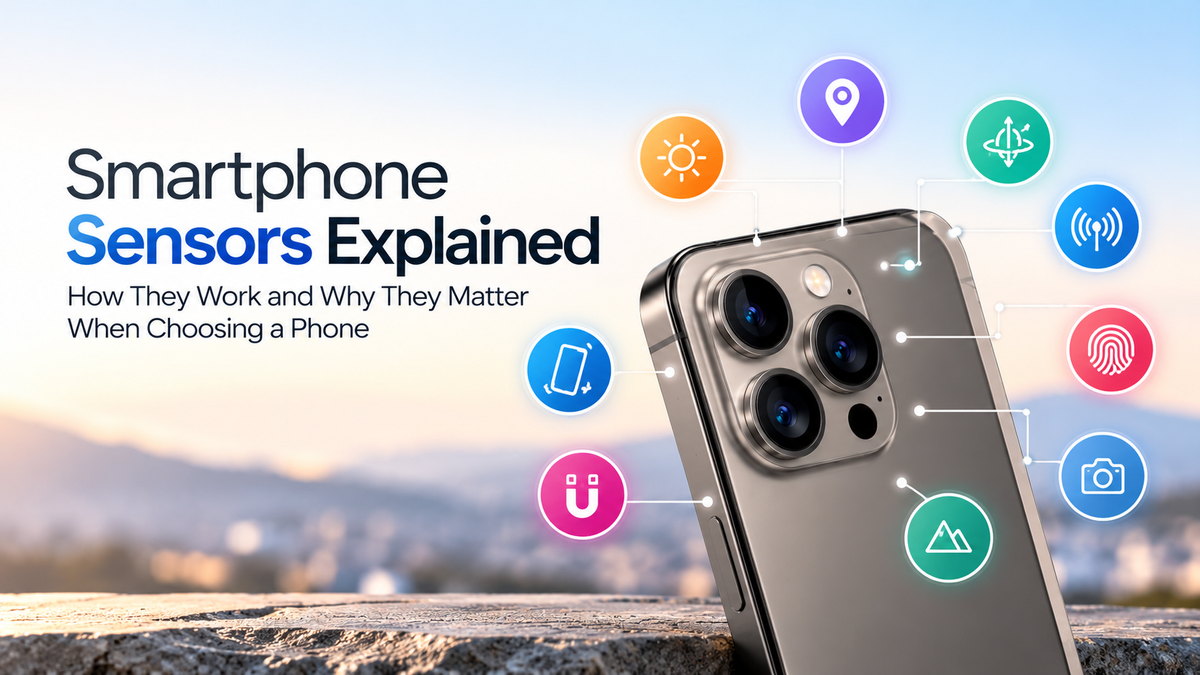







































Choosing between Android and iOS is one of the most important decisions when buying a smartphone in 2026. Both operating systems offer advanced security, intelligent features, excellent cameras and smooth performance. However, they differ in customisation, privacy controls, device compatibility and pricing.Android powers smartphones from Samsung, Google, OnePlus and Xiaomi, while Apple's iOS is exclusively available on iPhones.For Australian buyers, understanding these differences can make choosing the right smartphone much easier.
1. Android vs iOS: What's the Main Difference?
Android is developed by Google and used by multiple smartphone manufacturers. Brands can customise its interface, features and applications to create different experiences.Samsung offers One UI, while Google Pixel devices provide Google's own Android interface.iOS is developed specifically for Apple iPhones, allowing Apple to control hardware and software integration.The biggest difference is flexibility. Android offers more device choices and personalisation, while iOS provides a consistent experience across supported iPhones.
2. Customisation and User Experience
Android is popular among users who enjoy personalising their smartphones.You can change launchers, home-screen layouts, widgets, icon styles and default applications. Many Android devices also support split-screen multitasking and floating windows.iOS offers widgets, customisable Lock Screens, Focus modes and personalised controls.However, Apple maintains tighter restrictions on certain interface changes.For users who prefer greater control over their smartphone experience, Android generally offers more flexibility.Those who value a familiar, straightforward interface may prefer iOS.
3. Privacy: Which Operating System Protects Your Data Better?
Privacy is an important consideration for smartphone users.Apple provides App Tracking Transparency, allowing users to control whether applications track activity across other companies' apps and websites.iOS also includes application permissions, privacy indicators and controls for sharing location information.Android offers a Privacy Dashboard, permission management and options to restrict access to sensitive information.Both operating systems allow users to control camera, microphone and location permissions.However, privacy also depends on application behaviour, account settings and personal habits.Neither platform guarantees complete privacy, but both provide strong tools for managing personal information.
4. Security and Software Updates
Smartphone security protects personal data, passwords and financial information.Apple includes Face ID, encryption, security updates and features designed to protect stolen devices.Android offers Google Play Protect, biometric authentication, theft protection and hardware-backed security on compatible devices.Software support is another important difference.Apple provides long-term updates for supported iPhones, although the duration varies by model.Some Google Pixel and Samsung Galaxy smartphones promise seven years of operating system and security updates.Other Android devices may receive shorter support periods.Australian buyers should always check the manufacturer's update commitment before purchasing.
5. Artificial Intelligence: Gemini vs Apple Intelligence
Artificial intelligence is increasingly important in modern smartphones.Android devices can offer Google's Gemini assistant, Circle to Search, AI photography tools and translation features.Available capabilities vary between manufacturers and models.Apple Intelligence provides supported writing tools, image features and intelligent assistance across compatible Apple devices.Siri also supports voice commands and selected contextual functions, depending on software availability.Both platforms combine on-device processing with cloud-based services for certain AI tasks.However, not every AI feature is available on every smartphone or in every region.Users should compare the specific AI features they expect to use rather than relying on marketingclaims.
6. Camera Quality and Video Recording
Both Android and iOS smartphones can deliver excellent photography.Premium Android phones offer large camera sensors, advanced zoom systems and computational photography features.Google Pixel smartphones are known for image processing, while Samsung flagship devices often provide versatile camera configurations.Apple iPhones are popular for consistent video recording, colour reproduction and integration with creative applications.However, camera performance depends on hardware, software processing and shooting conditions.A premium Android phone may outperform an iPhone in certain zoom situations, while an iPhone may produce more consistent results in particular video workflows.Comparing real camera samples is more useful than choosing based on operating system alone.
7. Battery Life and Charging Speed
Battery performance varies between smartphone models.Many Android manufacturers offer large batteries and fast wired charging.Some models also include reverse wireless charging and advanced battery management features.Apple focuses on combining efficient processors with software optimisation to manage power consumption.Both Android and iOS provide battery-saving modes and background activity controls.However, actual battery life depends on display brightness, network connectivity, gaming and application usage.Android generally offers more charging-speed options, but neither operating system automatically guarantees longer battery life.Independent battery tests provide a more reliable comparison.
8. Applications and Gaming Performance
Android and iOS support popular applications such as WhatsApp, YouTube, Instagram, Spotify and Microsoft Teams.Android provides greater flexibility for installing applications from different sources, although downloading from unfamiliar websites introduces additional security risks.Apple primarily distributes iPhone applications through the App Store, with alternative distribution available in certain regions.For gaming, both platforms support demanding titles and advanced graphics.Performance depends on the processor, cooling system, display and game optimisation.A flagship Android phone may offer gaming-specific controls, while an iPhone may benefit from consistent hardware and software integration.
9. Ecosystem and Device Compatibility
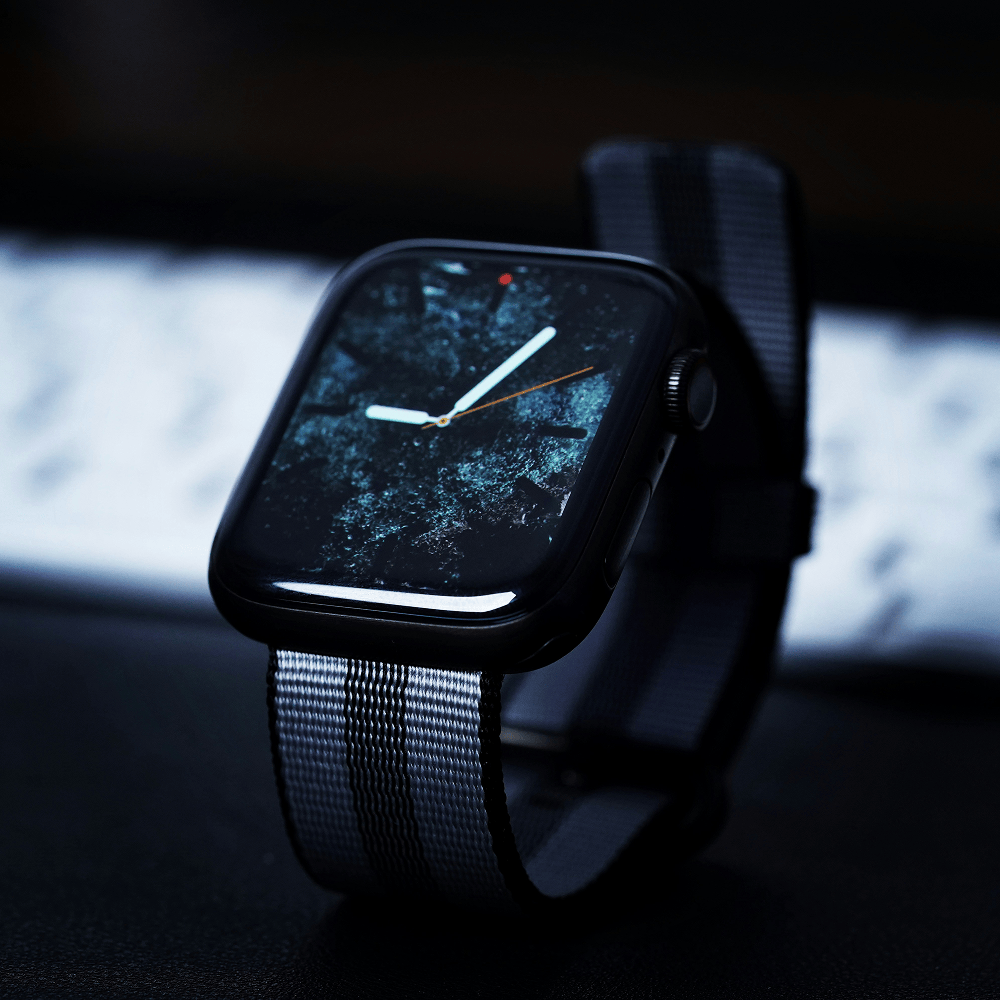
Apple's ecosystem is particularly useful for people who already own a MacBook, iPad or Apple Watch.Features such as AirDrop, Handoff and iCloud synchronisation make sharing files and continuing tasks across compatible devices convenient.Android integrates with Google services, Windows computers, smart televisions and accessories from different manufacturers.Samsung also offers connected experiences across Galaxy phones, tablets, watches and laptops.If you already use several Apple devices, an iPhone may provide greater convenience.Android can be more appealing if you prefer mixing products from different brands.
10. Smartphone Prices and Value in Australia
Android smartphones are available across a wide range of budgets.Australian buyers can choose affordable entry-level models, capable mid-range devices or premium flagships.Apple mainly focuses on premium smartphones, although older and refurbished iPhones provide lower-cost alternatives.When comparing value, consider storage, battery life, camera quality, warranty coverage and software support.A mid-range Android smartphone may provide everything an everyday user needs.Meanwhile, an iPhone may offer additional value for someone already invested in Apple's ecosystem.The best purchase depends on features you will actually use.