






































Choosing between an iPhone and an Android smartphone remains one of the biggest decisions for Australian mobile users in 2026. Both platforms offer powerful performance, excellent cameras, advanced security and features designed to simplify everyday life.Apple's iPhones are known for their consistent software experience, long-term support and seamless ecosystem integration. Android smartphones from Samsung, Google, Motorola and other manufacturers provide greater variety, customisation and flexibility across different budgets.But which is better for calling, messaging, photography, banking, travelling and entertainment?This guide compares iPhone vs Android in Australia to help you choose the right smartphone for your daily needs.
1. iPhone vs Android: What's the Difference?
The main difference is the operating system.iPhones use Apple's iOS, which is developed specifically for Apple hardware. This allows Apple to closely control the software, security and overall user experience.Android is developed by Google and used by multiple smartphone manufacturers. Brands can customise the interface and introduce their own features.For example, Samsung offers One UI, while Google Pixel smartphones provide Google's interpretation of Android.Both platforms support popular applications, including WhatsApp, Instagram, YouTube, Google Maps and Australian banking apps.For most everyday tasks, either operating system works well.
2. Ease of Use: Which Is Better for Beginners?
Apple focuses on consistency and simplicity.iPhones generally provide familiar menus, straightforward settings and similar navigation across supported models.This makes switching between iPhones relatively easy.Android smartphones offer more flexibility, but their interfaces can vary depending on the manufacturer.Samsung Galaxy devices, for example, provide extensive customisation options, while Google Pixel phones offer a relatively streamlined interface.For beginners who prefer a consistent experience, iPhone may feel easier.However, Android can be equally user-friendly once you're familiar with its layout.Verdict: iPhone for consistency; Android for personalisation.
3. Price and Value in Australia
Price is one of Android's biggest advantages.Australian buyers can choose Android smartphones across budget, mid-range and premium categories.Affordable Android devices provide essential features such as 5G connectivity, large displays and capable cameras without requiring flagship-level spending.Apple primarily competes in the mid-range and premium markets, although older and refurbished iPhones can provide more affordable alternatives.Premium Android smartphones can cost as much as, or more than, competing iPhones.The best value depends on the model, storage capacity, software support and available discounts.Verdict: Android offers more choices for budget-conscious buyers.
4. Camera Quality: iPhone vs Android
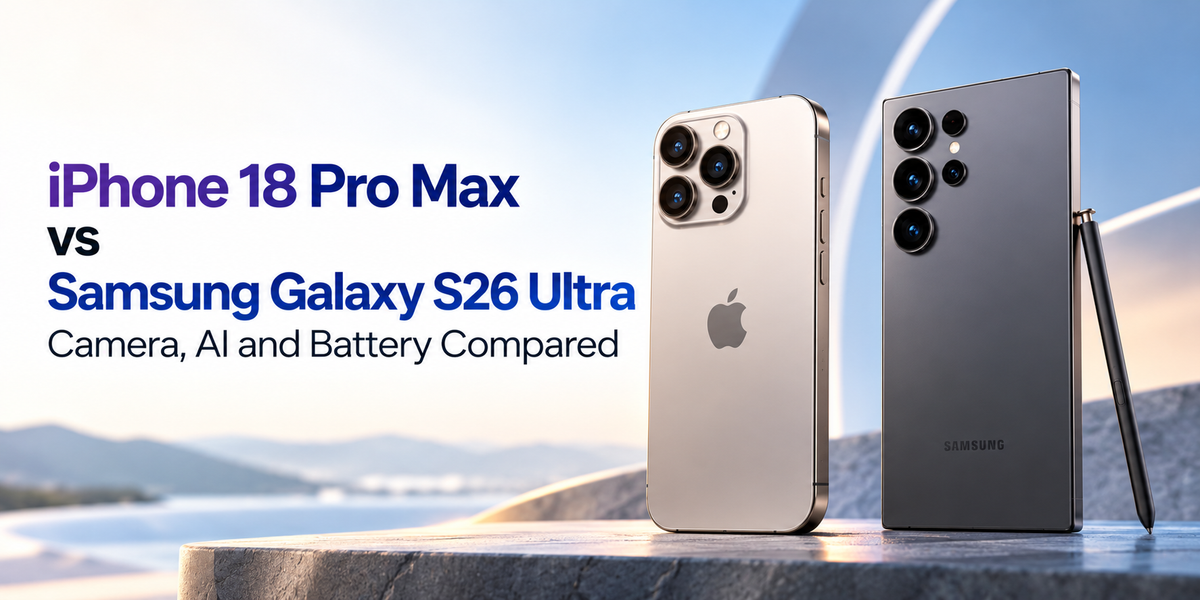
Both platforms offer impressive smartphone photography.iPhones are particularly popular for consistent image processing, reliable video recording and straightforward camera controls.Apple's premium models also provide professional video features suitable for content creators.Android manufacturers take different approaches.Google Pixel smartphones emphasise computational photography and AI-assisted editing, while Samsung Galaxy Ultra models offer versatile zoom systems.Other Android devices may focus on portrait photography, high-resolution sensors or specialised camera hardware.A higher megapixel count does not necessarily mean better image quality.For everyday photography, camera performance depends more on the individual smartphone than its operating system.Verdict: Both are excellent; compare specific models before buying.
5. Battery Life and Charging
Battery performance is another important consideration.Many Android smartphones feature large batteries and fast wired charging.Some models also offer reverse wireless charging, allowing compatible accessories to receive power from the phone.iPhones provide optimised battery management through close integration between iOS and Apple hardware.Modern iPhones also support USB-C charging and compatible wireless charging accessories.However, battery life varies significantly between modelsA larger battery does not always mean longer endurance because display technology, processor efficiency and software optimisation also matter.Verdict: Android offers more fast-charging choices, but real-world battery life should be compared model by model.
6. Customisation and Personalisation
Android provides greater freedom to personalise the smartphone experience.Users can change default applications, customise home screens, install alternative launchers and adjust interface behaviour.Samsung devices also offer extensive multitasking and display customisation features.Apple has expanded iPhone personalisation through widgets, customisable controls, lock-screen options and app icons.However, iOS remains more controlled than Android.For users who enjoy adjusting how their smartphone looks and operates, Android generally provides more options.Verdict: Android wins for customisation.
7. Security, Privacy and Software Updates
Both iPhone and Android offer strong security features.Apple uses a tightly controlled application ecosystem, regular security updates and privacy protections built into iOS.Android includes Google Play Protect, application permissions, encryption and security updates.Google Pixel and selected Samsung Galaxy devices also offer extended software support.However, update policies differ across Android manufacturers and individual models.Some affordable Android smartphones receive fewer major operating system upgrades than premium alternatives.For Australian buyers planning to keep a smartphone for several years, checking the manufacturer's update commitment is essential.Verdict: Both can be secure, but software support varies more widely across Android devices.
8. Apple Intelligence vs Android AI
Artificial intelligence is increasingly important in smartphones.Apple Intelligence integrates AI-assisted writing, image tools and compatible Siri features into supported Apple devices.Google Pixel smartphones provide Gemini integration, visual searching and AI-powered photography tools.Samsung's Galaxy AI includes features for translation, photo editing, communication and productivity.Feature availability depends on the device, software version, language and region.For Australian users, it is worth checking whether a particular AI feature is available locally before purchasing.Verdict: Both offer useful AI capabilities, with different strengths and availability.
9. Ecosystem and Device Compatibility
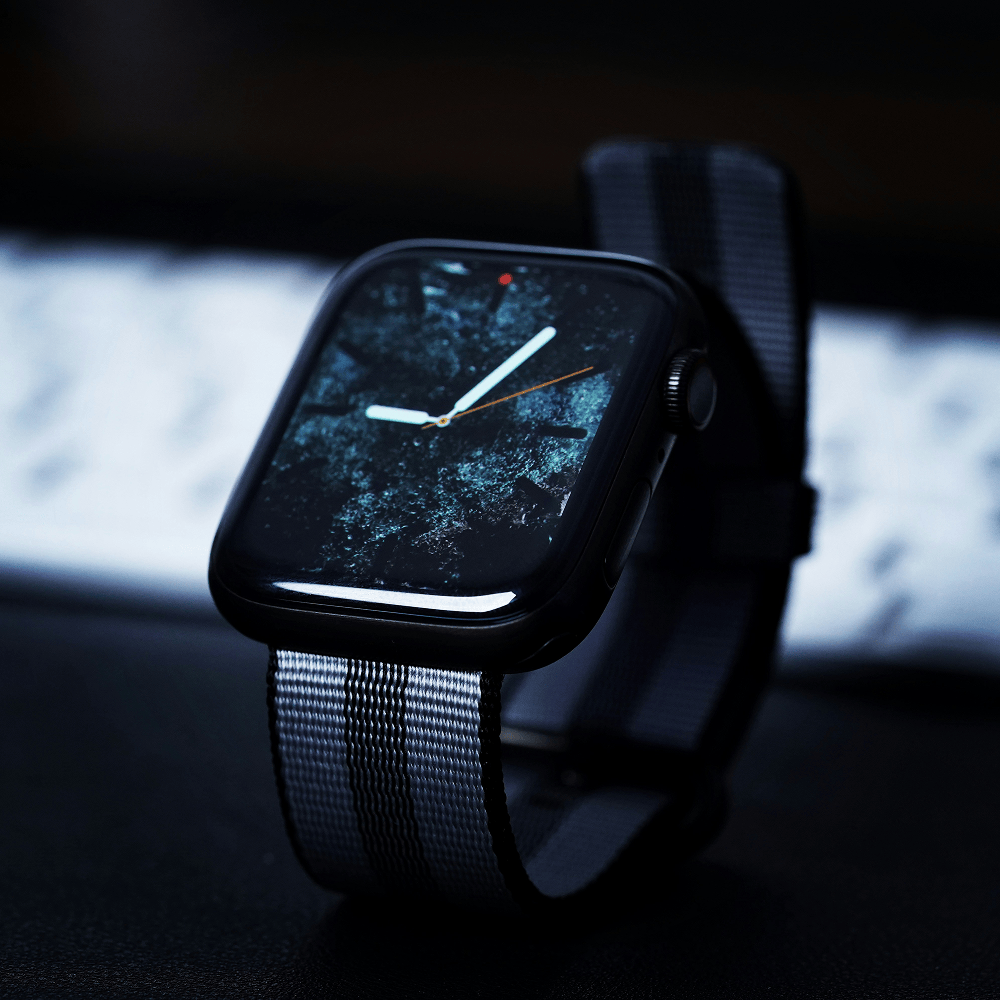
The Apple ecosystem is a major reason people choose iPhone.Features such as AirDrop, Handoff, iCloud and Continuity make it convenient to move between compatible iPhones, iPads and Macs.Apple Watch also requires an iPhone for its supported setup and pairing experience.Android provides more hardware choice and works closely with Google's services, including Gmail, Google Photos and Google Drive.Samsung Galaxy smartphones also integrate with Galaxy Watches, tablets and Windows PCs through supported features.If you already own several devices from one ecosystem, staying with that platform may be more convenient.
10. Which Is Better for Everyday Use in Australia?
Both iPhone and Android work with major Australian mobile networks, although compatibility depends on the exact model and its supported network bands.Users should check 4G, 5G, VoLTE and emergency-calling compatibility, particularly when buying imported smartphones.Both platforms also support contactless payments, navigation, public transport applications and widely used Australian banking services.For everyday tasks such as messaging, browsing, streaming and shopping, the difference between the platforms is often smaller than expected.The most important factors are your budget, preferred applications, camera requirements and existing devices.